
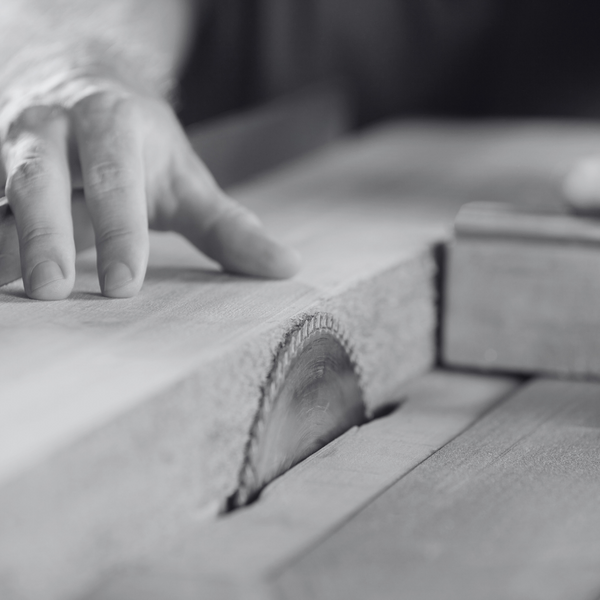
Why Clean Cuts Matter (and how to tell when your tool is the problem)
Clean cuts aren’t just about looks – they’re about efficiency, accuracy, and protecting your equipment.
Whether you’re working with wood or metal, the quality of your cut affects everything that comes after it. Tear-out, burn marks, chatter, and rough finishes don’t just slow you down – they cost time, material, and patience.
The tricky part? Many makers assume these issues are caused by machine setup or technique. While that can sometimes be true, the culprit is often much simpler: your cutting tool is worn, mismatched, or past its prime.
What a “Clean Cut” Actually Means:
- Minimal tear-out or fraying (especially in wood)
- Little to no burning or heat discoloration
- Reduced vibration or chatter
- Consistent accuracy from start to finish
- Less need for secondary finishing or sanding
When your tool is doing its job properly, the cut will feel controlled – not forced.
Common Signs Your Tool Is The Problem:
If you’re noticing any of the following, your tool may be telling you it’s time for attention
- Burn Marks or Excess Heat
Burning usually indicates a dull edge, incorrect feed rate, or excessive friction. A sharp tool should cut cleanly without excessive heat buildup.
- Chatter of Vibration
Chatter isn’t just annoying – it affects surface finish and tool life. Worn cutting edges, improper geometry, or the wrong tool for the material are common causes.
- Tear-Out or Rough Edges
Clean edges rely on sharpness and proper tooth or flute design. Tear-out often means the cutting edge can no longer shear material cleanly.
- More Sanding or Finishing than Usual
If you’re suddenly spending more time fixing cuts than making them, it’s a strong indicator your tool isn’t performing as it should.
Why Worn Out Tools Cost More Than You Think:
Using a dull or incorrect tool doesn’t just affect cut quality — it impacts your entire workflow. Worn tools increase machine wear, raise the risk of mistakes or breakage, waste material, slow production times, and push frustration to an all-time high. In many cases, replacing or sharpening a tool early can save far more than pushing it past its limits.
That said, replacing a tool at the first sign of wear can get expensive fast. Knowing when sharpening is a better option is key. High-quality cutting tools can often be sharpened and recoated to extend their lifespan and restore performance. Tools with chipped edges, structural damage, or excessive wear, however, may be better off replaced. A consistent drop in performance is usually the clearest sign it’s time to evaluate your options.
If you’re unsure which route makes the most sense for you, we have an article that breaks it down in more details: Should I Sharpen or Replace?
Final Thoughts
Clean cuts aren’t a luxury – they’re a sign everything in your setup is working together the way it should. If something feels off, it probably is. Paying attention to your cuts – and what they’re telling you – can save time, money, and a whole lot of frustration in the shop.
If you ever need help deciding whether it is time to sharpen, replace, or rethink your tool choice, we are an email or phone call away and always happy to help!
[ Contact Us ]
 Posted by
Skookum Rebeccah
Posted by
Skookum Rebeccah
Rebeccah is the Marketing & Social Media Manager at Skookum Tools Ltd., where she brings the brand’s rugged Canadian personality to life across every platform. From product launches to lighthearted shop shenanigans, she helps showcase the people and craftsmanship that make Skookum Tools proudly Canadian and Skookum Strong.
Rebeccah’s passion for storytelling and connection shines through in everything she creates — whether it’s highlighting Canadian-made quality, supporting the maker community, or convincing Rob and Ryan to star in yet another “Annoying Our Boss” episode.

