ClickCease How to Order Custom Sanding Belts | Guide
Canada's Premium Industrial Supply Hub | Trusted by Pro's & DIYers for over 25 Years | Home of the Skookum Tools Brand

Skookum "Fast Track" Sanding Belts | Ordering Guide

Skookum "Fast Track" Sanding Belts | Ordering Guide

How to Order Skookum Custom Sanding Belts

Having trouble finding the right sanding belt for your machine? Skookum sanding belts are made to your specifications and converted in Canada using premium abrasive materials. Our online builder lets you enter the width, length, grit and belt material, then shows the available price and minimum quantity. This service was previously known as Fast Track Sanding Belts.

Typical manufacturing time: 7–10 business days. Shipping time is additional.

Build Your Custom Sanding Belts


Order Your Sanding Belts in Five Steps


1. Enter the Belt Width

Measure straight across the face of an existing belt. Belt sizes are normally written as width x length, so a 2-inch x 72-inch belt is 2 inches wide and 72 inches long.

Enter the whole-inch measurement in the builder, then choose any required fraction from the drop-down menu.

For a metric belt, divide the millimetre measurement by 25.4 to convert it to inches. If the exact converted size cannot be entered, contact us or use our Custom Abrasive Belt Quote Request rather than guessing.

2. Enter the Belt Length

If you have an old belt, cut it once across the width—ideally at the joint—lay it flat and measure the full length from end to end.

If no old belt is available, wrap non-stretch string or masking tape around the machine's belt path. Pull it snug, mark the overlap, remove it and measure it flat.

Make sure the machine's tensioner still has room to move. A measurement taken with the tensioner at its maximum extension may produce a belt that is too long to tension properly.

3. Select the Grit

Lower grit numbers remove material faster and leave a coarser scratch. Higher numbers remove less material and leave a finer finish.

Grit rangeTypical use
16–60Heavy material removal and rough shaping
80–120General sanding, smoothing and scratch removal
150–800Finishing, with the exact grit chosen for the required surface

Start only as coarse as the work requires. An unnecessarily coarse belt creates deeper scratches that take more work to remove.

For application-specific recommendations, see:

4. Select the Belt Material

Belt materialGood starting point for
Aluminum oxide clothGeneral sanding on hard and soft wood, aluminum, other non-ferrous metals and many grades of steel
Aluminum oxide paperCompatible wide-belt sanders over 16 inches wide, especially for finishing in 120 grit and finer
Zirconia aluminaHeavy removal on steel, stainless steel and hard wood
Ceramic aluminaDemanding work on stainless steel, tool steel, titanium and other hard alloys
Silicon carbideGlass, plastic, rubber, ceramic, masonry and selected fine-finishing applications

The best grain also depends on the belt's backing, coating and intended application. 

5. Select the Quantity and Add to Cart

Once all four specifications are entered, the builder displays the available price and minimum order quantity. Minimum quantities vary by belt width and construction.

Select the required quantity, add the belts to your cart and complete checkout normally.

Check Your Specifications Before Ordering

Before adding a custom belt to your cart, confirm:

  • The exact width and full belt length

  • The grit and abrasive material

  • The minimum quantity shown by the builder

  • Any exact metric dimensions included with the order

Made-to-order sanding belts cannot be returned unless they are defective or were manufactured incorrectly, so it is important to verify the measurements before ordering.

If the required belt cannot be configured in the builder, complete our Custom Abrasive Belt Quote Request. 

Ready to Order?

Build Your Custom Sanding Belts

Still unsure? Give us a call at 250-590-2178 (for toll free1-888-665-6936), or shoot us an email at [email protected]. We will help you narrow down the right belt for the job.

Robert McDonald
Posted by Robert McDonald

Robert McDonald is the founder and president of Skookum Tools Ltd. and the driving force behind Skookum Tools and Online Supply, a premier e-commerce destination for industrial supplies. With over three decades of experience in the tooling and supply industry, Robert has cultivated a deep understanding of the unique needs of manufacturers, tradespeople, and hobbyists alike.

A passionate advocate for quality craftsmanship, Robert's journey began with a commitment to delivering top-tier tools and supplies to empower his customers to achieve exceptional results. Robert's expertise ensures that Skookum Tools offers a curated selection of reliable, high-performance products.

Robert enjoys sharing insights on efficiency, innovation, and industry trends. His writing reflects his dedication to helping customers succeed, whether they’re tackling DIY projects or managing large-scale industrial operations.

Related Articles

How to Choose the Best Sanding Belt for Your Application
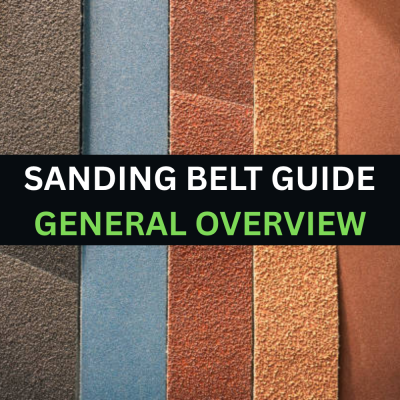
How to Choose the Best Sanding Belt for Your ApplicationThe best sanding belt is the one that matches the material, the amount of stock you need to remove, the shape of the workpiece and the machine you are using. A belt that is excellent for heavy grinding on steel may be unnecessary for finish sanding wood, while a fine belt can wear quickly if it is asked to do coarse shaping.There are four main decisions to make:1. What material are you sanding?2. Which abrasive grain suits the job?3. What grit will produce the required cut or finish?4. Does the backing suit the surface and machine?Already..
Skookum Sanding Belts: Built for Reliable Performance and Longer Life
Skookum Sanding BeltsAre Built for Reliable Performance, Longer Life and Real Shop Work Our Sanding Belts are designed for makers who expect dependable results from their abrasives – consistent cutting action, longer belt life, and reliable performance across woodworking, metalworking, and other applications.They can be made in custom and standard sizes in various quality abrasive types and grit options for DIYers and professionals alike who value precision, durability, consistency and quality sanding belts for their day to day projects.What Makes Our Skookum Sanding Belts Diffe..
How to Choose the Right Sanding Belt for Wood
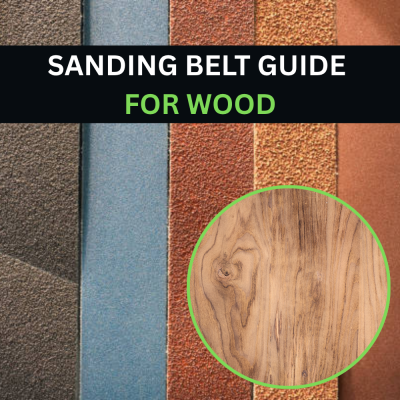
How to Choose the Right Sanding Belt for WoodThe right sanding belt for wood depends on more than grit. A belt that removes rough mill marks quickly may leave unnecessarily deep scratches on veneer, while a fine finishing belt can clog or burn the wood if it is asked to do heavy stock removal.The goal is to match the abrasive grain, grit and backing to the surface, the amount of material you need to remove and the machine you are using. Get those decisions right and you will spend less time correcting scratches, fighting clogged belts or sanding the same surface twice.Already know your width, ..
How to Choose the Right Sanding Belt for Metal
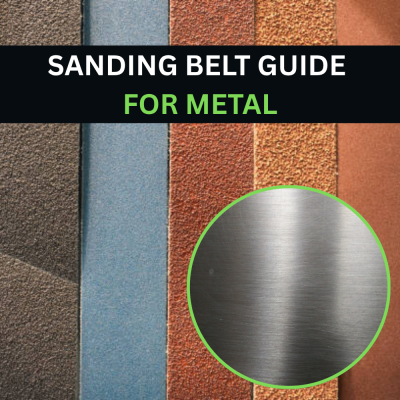
How to Choose the Right Sanding Belt for MetalThe right sanding belt for metal depends on more than grit. Mild steel, stainless steel, aluminum and high-alloy metals do not all grind the same way. A belt that works well for light deburring may glaze over during heavy weld removal, while an aggressive belt can create unnecessary heat or leave scratches that take several steps to remove.The goal is to match the abrasive grain, grit and backing to the metal, the amount of material you need to remove and the machine you are using. Get those decisions right and you can cut more efficiently, control..
Trusted by
12,000+ Clients
30,000+
Orders Shipped
Rated
4.9 on Google